SEO Writing Tips to Improve Rankings and Organic Traffic
By Devon Marsh · 2025-12-22T00:00:00+00:00 · 14 min read
Table of contents
SEO writing helps you create content that search engines can understand and readers actually want to read. It combines keyword research, search intent, clear structure, useful information, and good on-page SEO. The goal isn't to repeat keywords or write for algorithms. Good SEO writing answers real questions, keeps readers engaged, and gives search engines strong context about your topic.
What Is SEO Writing?
SEO writing is the process of creating useful content that meets both user needs and search engine requirements. It uses relevant keywords without forcing them into every sentence. It also focuses on content quality, readability, structure, and topical relevance.
Good SEO blog writing starts before you write the first paragraph. You need to understand the audience and the search query first. Then you can build content around what the reader actually wants.
SEO writing isn't just about rankings.
It's about creating a page worth ranking.
Why Does SEO Writing Matter?
Search engines need clear signals to understand your content. Readers also need clear information to decide whether your page is useful.
Strong SEO writing connects these two needs.
It can help your content:
Match relevant searches
Improve search visibility
Attract qualified visitors
Increase organic traffic
Keep readers engaged
Support internal linking
Generate leads and conversions
A page can rank without being useful for long. If visitors quickly leave because the content doesn't solve their problem, the page may struggle to deliver business value.
That's why user experience and content quality should remain central to your strategy.
How Does SEO Writing Help Improve Search Rankings?
SEO writing can improve search rankings by making content more relevant, useful, and easier to understand. Search engines evaluate many signals when determining which pages should appear for a query. Well-structured content helps communicate the topic and its relevance more clearly.
However, there isn't a single writing trick that guarantees a ranking.
Your content needs to satisfy the search intent behind the query. It should also provide information that readers can use.
Start With Search Intent
Search intent is the reason behind a search query.
For example, someone searching for:
how to write SEO-friendly content
probably wants instructions.
Someone searching for:
SEO copywriting services
may be looking for a service provider.
These searches require different content.
Before writing, ask:
What does the searcher expect to find?
Then create your page around that expectation.
Study the Search Results
Search results can reveal useful patterns.
Look at the pages currently ranking for your target query. Check their content format, main topics, headings, and questions they answer.
Don't copy them.
Instead, identify gaps.
Maybe competing pages don't explain a process clearly. Maybe they skip common beginner questions. Maybe their examples are outdated.
Those gaps can help you create more useful content.
How Should You Do Keyword Research for SEO Writing?
Keyword research helps you understand what your audience searches for. It gives you ideas for topics, pages, headings, and supporting terms. But good keyword research isn't about collecting hundreds of keywords. It's about finding relevant terms that match your audience and content goals.
Start with one main topic.
Then find related search terms around that topic.
Choose Relevant Target Keywords
Your primary keyword should represent the main topic of the page.
For this article, the primary keyword is:
SEO writing
Related terms include:
SEO-friendly writing
SEO blog writing
SEO content optimization
SEO writing techniques
SEO copywriting
on-page SEO
content structure
Use these terms where they naturally fit.
Don't insert every keyword into one paragraph.
Each term should support the topic.
Use Long-Tail Keywords
Long-tail keywords are usually more specific search phrases.
For example:
SEO writing
is broad.
how to write SEO-friendly content for beginners
is more specific.
Long-tail keywords can help you address specific user needs. They can also provide useful ideas for subtopics and FAQ sections.
Don't treat long-tail keywords as separate phrases that must appear repeatedly.
Use them as questions your content should answer.
Add Semantic Keywords Naturally
Semantic keywords are related terms that help provide topical context.
For SEO writing, related concepts include:
search intent
search rankings
organic traffic
content quality
readability
user experience
topical relevance
internal linking
heading structure
These terms make sense because they naturally belong to the subject.
The goal isn't to create a keyword list inside your article.
The goal is to cover the topic properly.
How Should You Use Keywords Naturally?
Use keywords where they help readers understand the subject. Your primary keyword can appear in important areas such as the title, introduction, headings, and body copy. Related keywords can support specific sections without disrupting the natural flow.
A simple rule works well:
Write the sentence first Optimize it second.
Don't start with:
SEO writing SEO writing SEO writing helps SEO writing improve SEO.
That's clearly unnatural.
Instead, write:
Good SEO writing makes content easier to understand and easier to find.
The topic remains clear without repetition.
Avoid Keyword Stuffing
Keyword stuffing means adding keywords excessively or unnaturally.
It can make your content:
Hard to read
Repetitive
Less trustworthy
Less helpful
Unnatural
Search engines have become much better at understanding topics and context.
You don't need to repeat the same phrase in every heading.
Use variations when appropriate.
For example:
SEO writing
SEO-friendly content
search-optimized content
helpful SEO content
optimized blog content
Use the wording that fits the sentence.
How Do You Structure SEO-Friendly Content?
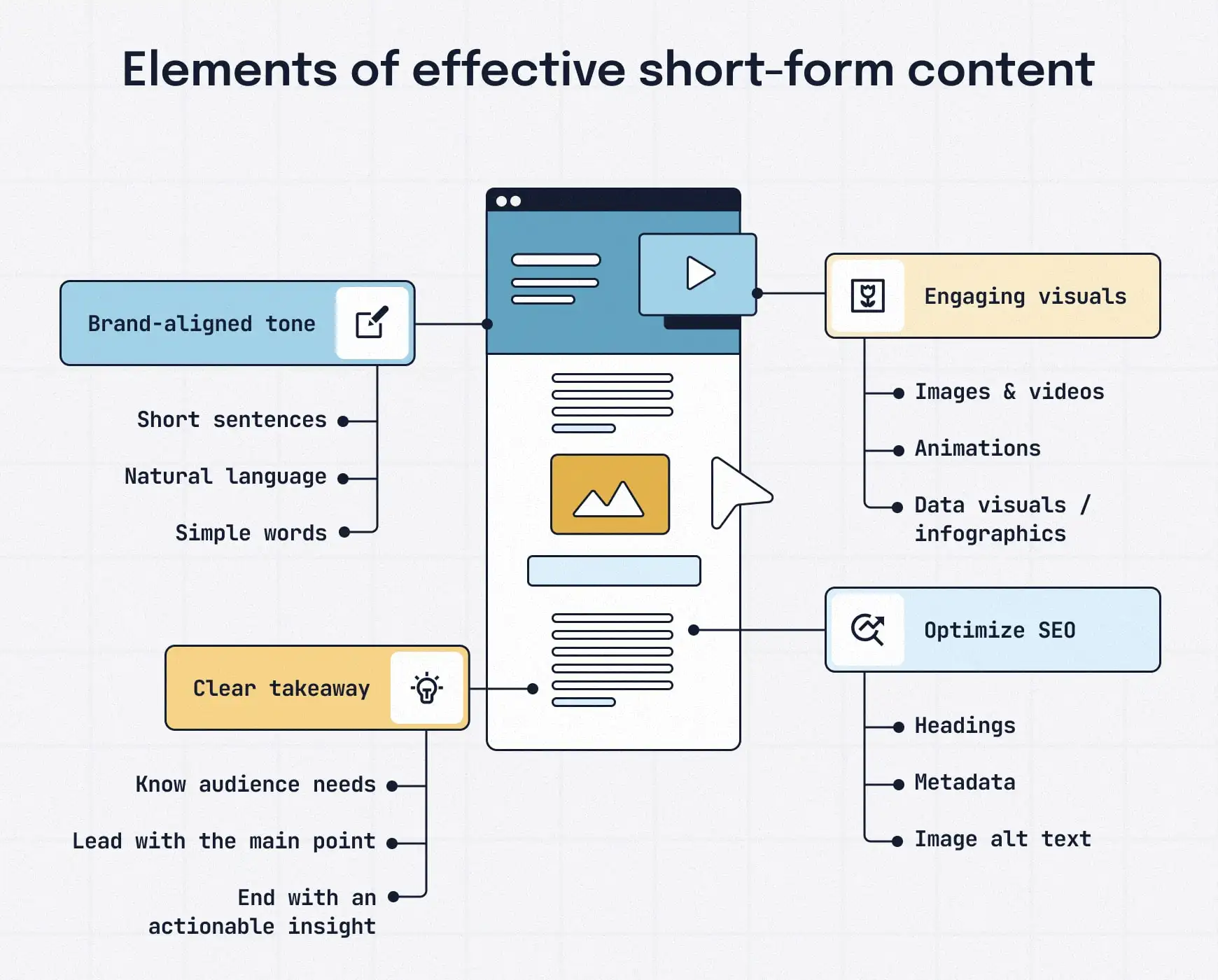
A strong content structure makes information easier to scan and understand. Readers often look at headings before deciding whether to read the full page. A clear structure also helps search engines understand how different sections relate to the main topic.
Start with the main answer.
Then build supporting information around it.
A useful structure might look like this:
H1: Main topic
H2: Core question
H3: Supporting question
H2: Next major question
H3: Practical explanation
This structure keeps the page organized without making it feel mechanical.
Write Clear Headings
Your headings should tell readers what each section covers.
Weak heading:
Important Things
Better heading:
How Should You Use Keywords Naturally?
The second heading gives readers immediate context.
It also creates a useful question-answer format for search-focused content.
Keep Paragraphs Easy to Read
Large blocks of text can feel difficult on screens.
Keep paragraphs focused on one idea.
Most paragraphs should contain around three to five sentences. Mix sentence lengths to keep the rhythm natural.
Short sentences are useful.
But don't make every sentence extremely short.
Natural variation makes content easier to read.
What On-Page SEO Elements Should You Optimize?
On-page SEO includes the elements you control directly on your website. These elements help search engines understand your page while improving the experience for readers. Content remains important, but supporting elements also matter.
Pay attention to:
SEO title
Meta description
URL
H1
H2 and H3 headings
Image alt text
Internal links
Content structure
Keyword placement
Readability
These elements should work together.
Optimize the SEO Title
Your SEO title should clearly describe the page.
Include the primary keyword naturally when possible.
For example:
SEO Writing Tips to Improve Rankings and Organic Traffic
This tells readers exactly what they'll get.
Avoid titles that are vague or overloaded with keywords.
Write a Useful Meta Description
Your meta description should explain the value of the page.
It should encourage the right searcher to click without making unrealistic promises.
Don't write it only for search engines.
Write it for humans.
How Can Internal Linking Support SEO Writing?
Internal linking connects related pages on your website. It helps readers find additional information and gives search engines more context about relationships between pages.
For example, an article about SEO writing could link to relevant content about:
Keyword research
On-page SEO
Search intent
Content strategy
Organic traffic
The link should appear where it adds value.
Don't add internal links simply to increase the number of links.
Use Descriptive Anchor Text
Anchor text should give readers an idea of what they'll find after clicking.
Instead of:
Click here
use:
SEO content optimization guide
when that accurately describes the destination.
Keep anchor text natural.
You don't need to use an exact-match keyword every time.
How Can You Write Content That Ranks on Google?
Writing content that ranks on Google requires more than placing keywords in strategic locations. Your page needs to provide a useful answer to the searcher's problem. It should be clear, accurate, easy to navigate, and aligned with important Google ranking factors.
Start with the user's question.
Then answer it directly.
After that, add the details that help them take action.
Cover the Topic Completely
Complete content doesn't mean extremely long content.
It means answering the important questions.
For example, an article about SEO writing should explain:
What SEO writing means
Why it matters
How keyword research works
How to understand search intent
How to use keywords
How to structure content
How internal links help
How readability affects the experience
How to measure results
Don't add unrelated sections just to increase word count.
Add Original Examples
Examples make difficult concepts easier to understand.
Instead of saying:
Use keywords naturally.
Show the difference.
Weak:
SEO writing is important for SEO writing because SEO writing helps SEO.
Natural:
SEO writing helps you create useful pages that match what people search for.
The second example is clearer and more useful.
That's the standard your content should follow.
How Does Readability Improve SEO Content?
Readability helps visitors understand your content with less effort. Clear writing makes it easier to scan, especially on mobile devices. It can also improve the overall user experience because readers can quickly find the information they need.
Use:
Simple words
Short sentences
Clear headings
Active voice
Short paragraphs
Useful examples
Direct explanations
Avoid complicated wording when a simpler option works.
For example:
Utilize can become use.
Commence can become start.
Simple writing isn't basic writing.
It's effective writing.
What Are the Best SEO Writing Practices?
The best SEO writing practices focus on usefulness first and optimization second. Start with search intent, create a clear structure, use relevant keywords, and provide original value. Then review the page for readability, internal links, and on-page SEO elements.
Before publishing, check these areas:
Content Quality
Ask whether the page genuinely answers the searcher's question.
Remove sections that repeat the same idea.
Add missing details where readers may need more context.
Search Intent
Make sure your content type matches the query.
An informational search needs useful information.
A commercial search may need comparisons, features, benefits, or buying guidance.
Intent should guide the page.
Topical Relevance
Cover related concepts that naturally belong to the subject.
Don't force unrelated keywords into the article.
Your goal is depth, not keyword quantity.
User Experience
Make the page easy to navigate.
Use descriptive headings and helpful formatting. Make sure important information isn't buried under unnecessary introductions.
A good page respects the reader's time.
What SEO Writing Mistakes Should You Avoid?
Common SEO writing mistakes include keyword stuffing, weak search intent research, poor structure, generic content, and excessive repetition. These problems can make content less useful even when the page is technically optimized.
Watch for these mistakes:
Writing only for search engines: Readers should always come first.
Using too many keywords: Relevance matters more than repetition.
Ignoring search intent: A well-written article can still target the wrong need.
Copying competitors: Your content should bring its own value.
Writing filler: Every section should have a purpose.
Ignoring older content: Existing pages often need updates.
Forgetting internal links: Related pages should connect naturally.
Fix these problems before adding more keywords.
How Can You Improve SEO Writing Over Time?
SEO writing improves when you review actual performance and reader behavior. Publishing an article isn't the final step. Search rankings, queries, traffic, and conversions can reveal where the content needs improvement.
Review your content regularly.
Check which queries bring impressions.
Look for keywords where your page ranks but receives few clicks. Improve titles when they don't clearly communicate the page value.
Also check pages that lose organic traffic.
The cause could be:
Outdated information
New competitors
Changed search intent
Weak content depth
Technical problems
Poor internal linking
Update the page based on evidence.
Don't rewrite everything without a reason.
FAQs
What is SEO writing in simple terms?
SEO writing means creating content that helps people and search engines understand a topic. It combines useful information with relevant keywords, clear structure, search intent, and good readability. The goal isn't to repeat keywords as often as possible. Instead, the content should answer the reader's question clearly and completely. Good SEO writing feels natural to the reader while giving search engines enough context to understand the page and its relevance.
How do I write SEO-friendly content?
Start by understanding the search intent behind your target keyword. Research related questions and identify the information your audience needs. Build a clear heading structure before writing. Use your primary keyword naturally, then add relevant semantic and long-tail keywords where they make sense. Keep paragraphs readable and provide original examples. Before publishing, review the page for content quality, internal linking, readability, and on-page SEO elements.
How often should keywords appear in SEO writing?
There is no ideal keyword density that guarantees better rankings. Your keywords should appear naturally where they help explain the topic. Use the primary keyword in important areas, such as the title, introduction, and relevant headings. Then use variations and related terms throughout the content when appropriate. If removing a keyword makes the sentence clearer, remove it. Natural language and useful information should always be more important than hitting a specific keyword percentage.
Can SEO writing improve organic traffic?
Yes, effective SEO writing can support organic traffic growth when it matches search intent and provides useful information. But rankings depend on more than writing alone. Technical SEO, website authority, competition, internal linking, and other factors can also affect visibility. Strong content gives your pages a better foundation for search performance. Track impressions, clicks, rankings, and conversions to understand whether your content is attracting the right visitors.
What is the difference between SEO writing and SEO copywriting?
SEO writing usually focuses on creating informative content that performs well in search results. SEO copywriting also considers persuasion and conversion. A blog post may use SEO writing to answer a question and attract organic traffic. A landing page may use SEO copywriting to explain benefits and encourage an action. Both approaches can use keyword research and search intent. The main difference is often the page's purpose and where the visitor sits in the buying journey.
How can I make my SEO content more helpful?
Start by solving the reader's actual problem instead of focusing only on keywords. Give the main answer early, then provide useful details and examples. Remove repeated ideas and unnecessary filler. Add relevant internal links when they help readers continue their research. Keep information accurate and easy to scan. Finally, review the page after publishing and update it when search behavior, facts, or user needs change. Helpful content should become more useful over time, not simply longer.



Comments 0
No comments yet. Start the conversation.